Our Story

A century of building trust, connection, and opportunity for young people and communities nationwide.

Mission Statement

The National Association of Police Athletic/Activities Leagues, Inc. (National PAL) and its Chapters work nationwide promoting the prevention of juvenile crime and violence by building relationships among kids, cops, and communities through positive engagement.

Our Role

Our role is not to run local programs. Our role is to ensure those programs are supported, connected, protected, and positioned to strengthen the communities they serve.

We act as the connective tissue of the PAL movement by setting national standards, sharing best practices, advocating at the national level, and safeguarding the integrity of the PAL model so it remains strong, trusted, and relevant across generations.

Why National PAL Matters

Local PAL chapters are deeply embedded in their communities. They know their kids, their neighborhoods, and their challenges better than anyone else. That local leadership and independence is intentional and essential.

National PAL exists to support that work at scale. We provide the structure, credibility, and continuity that allow local chapters to thrive, by offering guidance, resources and advocacy that individual chapters cannot provide alone while honoring the local leadership that makes eachchapter effective.

A Mentorship Model

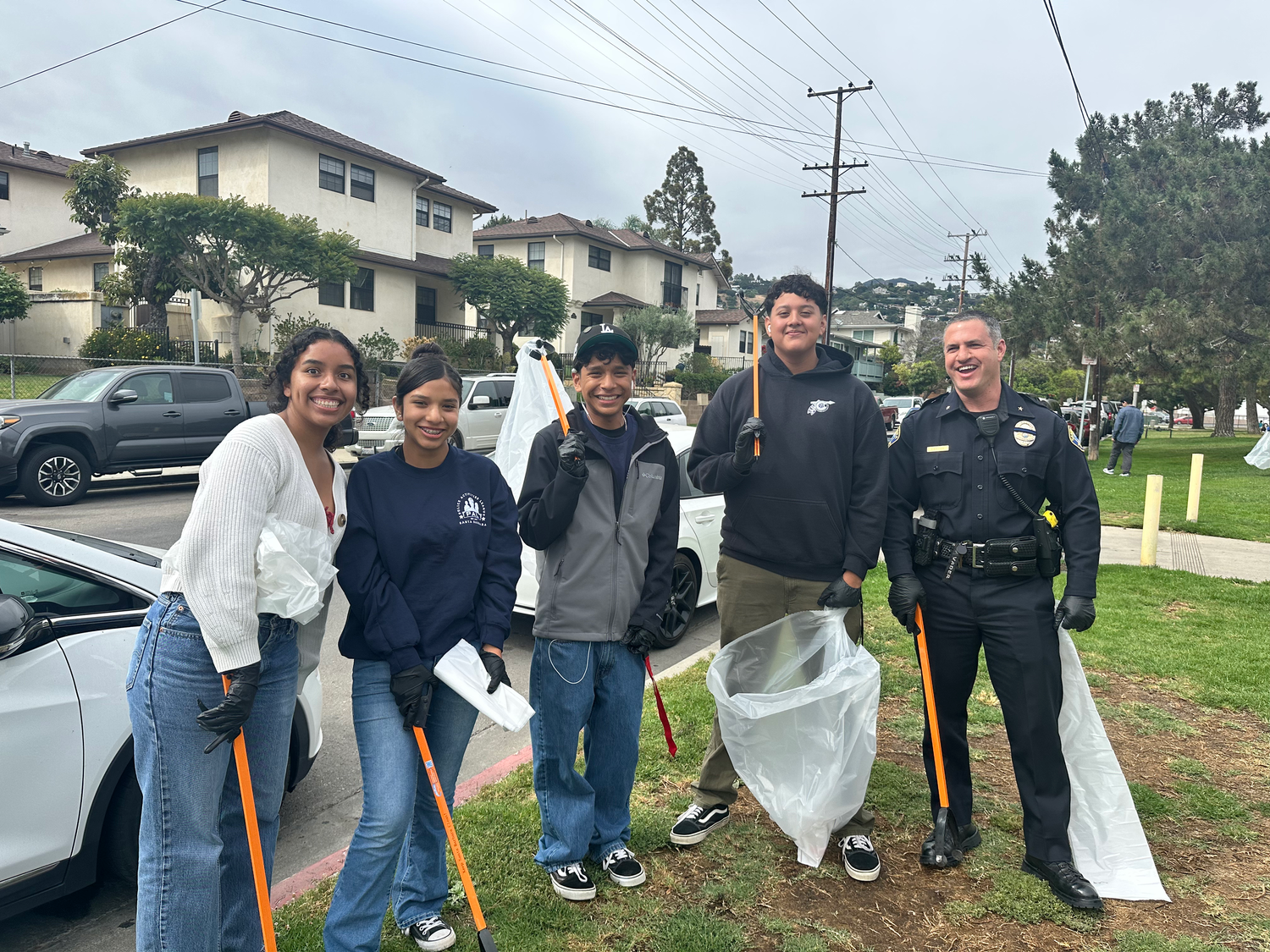
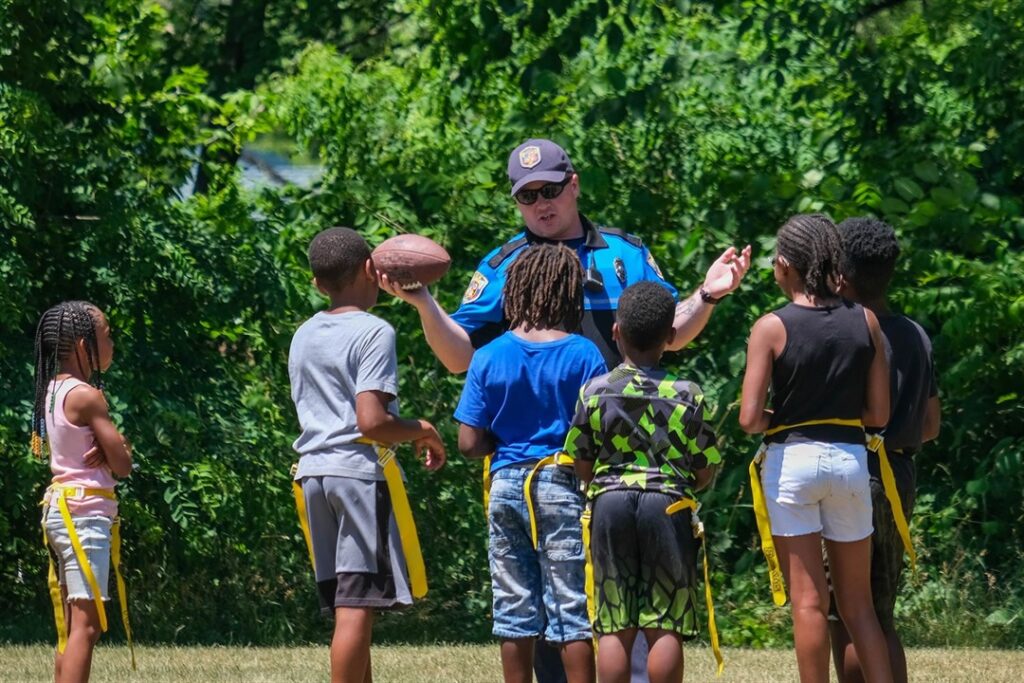
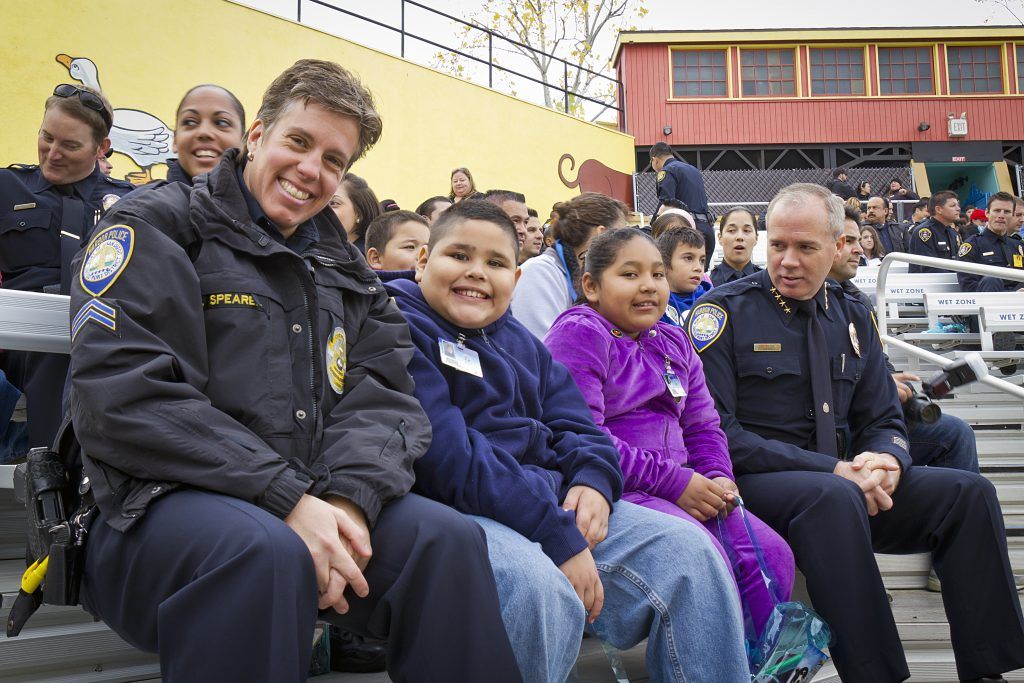
National PAL is grounded in relationship-based prevention. This is not enforcement-driven work. It is mentorship-driven, community-centered, and proactive.

Through shared experiences, consistent presence, and meaningful mentorship, law enforcement officers are seen not only as authority figures, but as coaches, role models, and invested adults in a young person’s life.These relationships change perceptions on both sides and help build trust that endures.

Local Independence. National Support.

PAL is intentionally local by design. Each chapter operates independently to meet the unique needs of its community. National PAL does not impose one-size-fits-all approach. Instead, we support chapters by: 

  • Providing national standards and guidance
  • Sharing best practices and leadership resources
  • Advocating for PAL at the national level 
  • Strengthening sustainability, governance, and credibility
  • Protecting the mission and integrity of the PAL model


This balance of local independence paired with national support is what allows PAL to thrive in communities of every size and geography.

Over a Century of Helping Communities Thrive

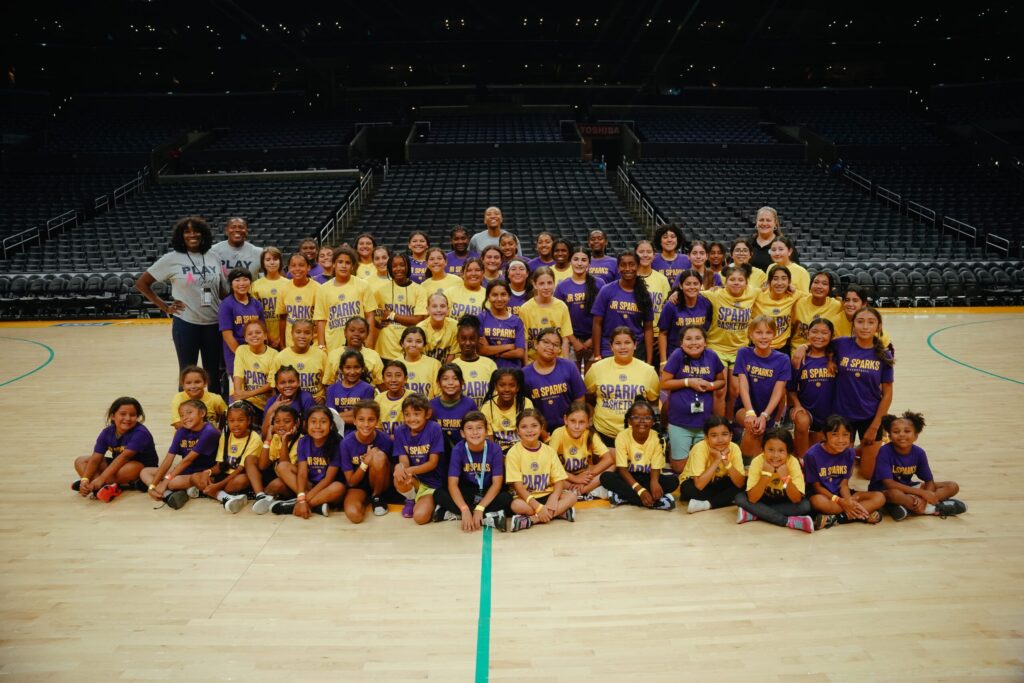
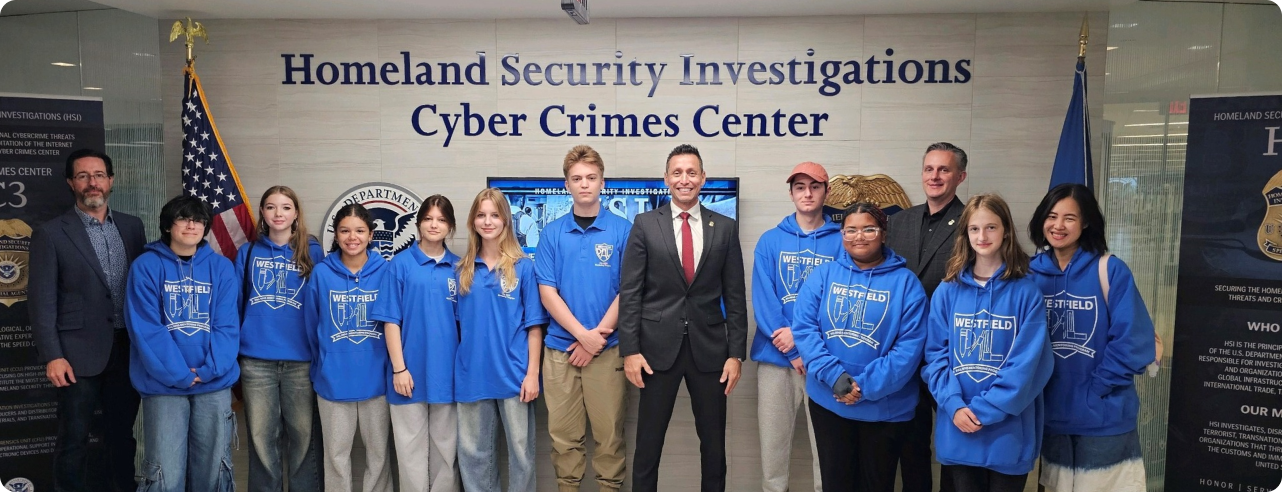
For more than 100 years, National PAL has brought young people and law enforcement together to build trust, understanding, and stronger communities nationwide.
 
From the beginning, National PAL has focused on creating safe, supportive spaces where youth can grow, learn, and feel a sense of belonging. Through recreation, education, mentoring, and leadership development, PAL programs foster positive relationships and provide young people with opportunities to thrive.
 
This work has helped shape safer, more connected communities across the country and continues to guide National PAL’s mission today.
 
Because everyone needs a PAL

Our History

1914-1930
Foundational Years in New York City
A Social Movement to Keep Kids Safe

1914
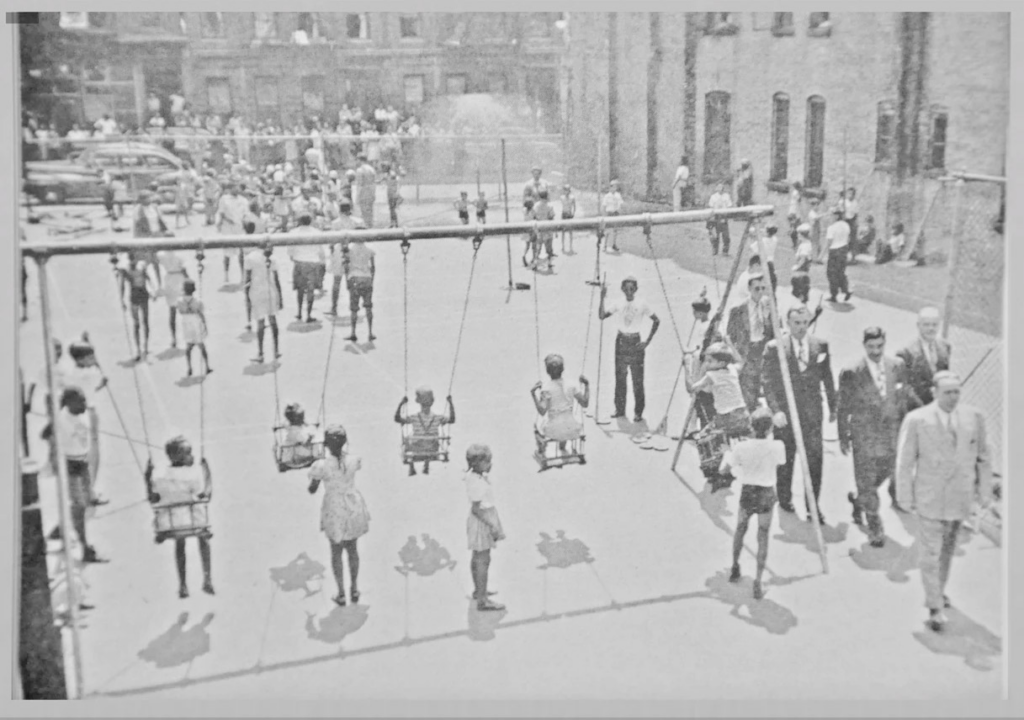
New York City Police Commissioner Arthur Woods started a social movement to provide safe play spaces for poor children, an effort that would eventually become the Police Athletic League.

1915
NYPD Captain John Sweeney started the Junior Police program in his precinct, where boys wore uniforms and participated in marching drills.

1917
The first official PAL was created in New York City, offering programs that included sports such as baseball and boxing, along with educational activities.

1930s
The movement spread to other cities, and New York City’s chapter expanded rapidly. By 1937, it served more than 70,000 members across 69 centers.
1940s
Formation of National PAL
Uniting Local Chapters, Empowering Communities: National PAL

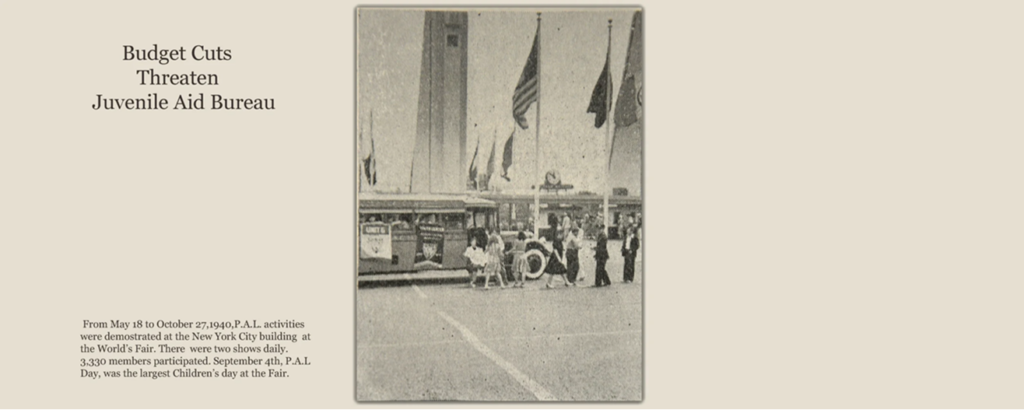
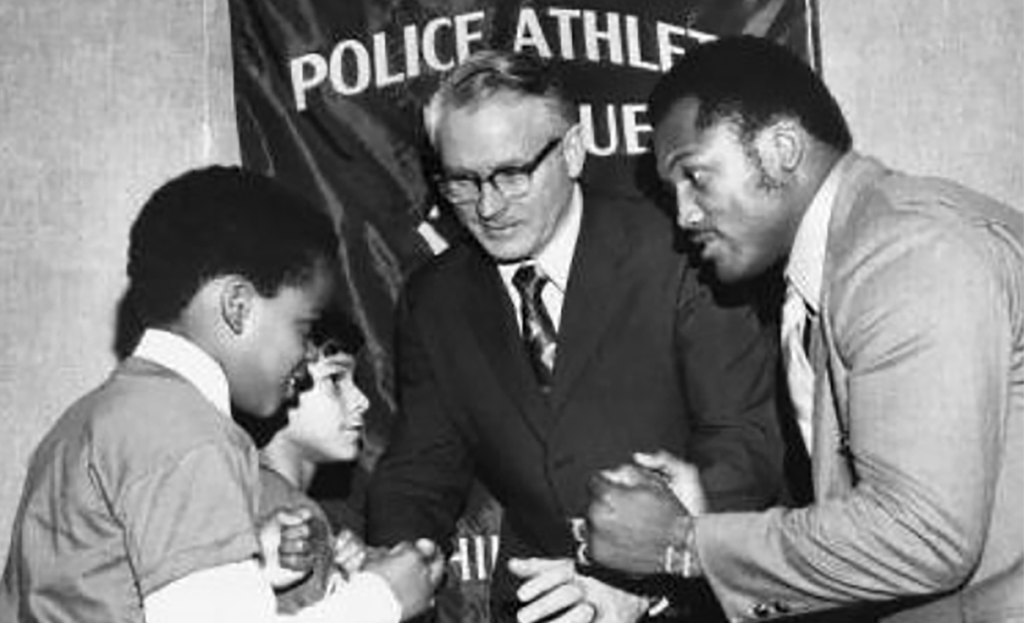
As local chapters grew across the country, the National Police Athletic League was established in the early 1940s to provide structure and coordination at the national level.

Its role was to offer standardized training and support for independent local chapters, while advocating for PAL’s importance as a community policing and crime prevention effort.
1950s – 1990s
Expansion and Program Evolution
Decades of Growth and Impact: The PAL Movement from Post-WWII to the 1990s

Post-WWII
Following World War II, the PAL movement experienced significant growth, expanding both its programs and the number of local chapters nationwide.

1950s
The organization began hiring social workers to support troubled youth. During this decade, PAL athletes also started competing in prestigious events, with some reaching the Golden Gloves and the Olympics.

1960s
During the Civil Rights Movement, PAL promoted integration and understanding within communities. This period also saw a major expansion of educational programming, supported in part by federal funding through President Johnson’s War on Poverty initiatives.

1970s
PAL expanded its focus to include nationwide programs centered on drug abuse education and prevention.

1990s
New York City’s PAL launched a $40 million campaign to build and renovate state-of-the-art community centers.
2000 – PRESENT
Continued Growth
National PAL Today

Name Change
Many PAL programs became known as Police Activities Leagues to reflect a broader focus that includes youth enrichment, education, and leadership development, in addition to sports.

Congressional Support
In 2000, Congress formally recognized the organization through the National Police Athletic League Youth Enrichment Act, securing federal funding to support program expansion nationwide.

Continued Growth
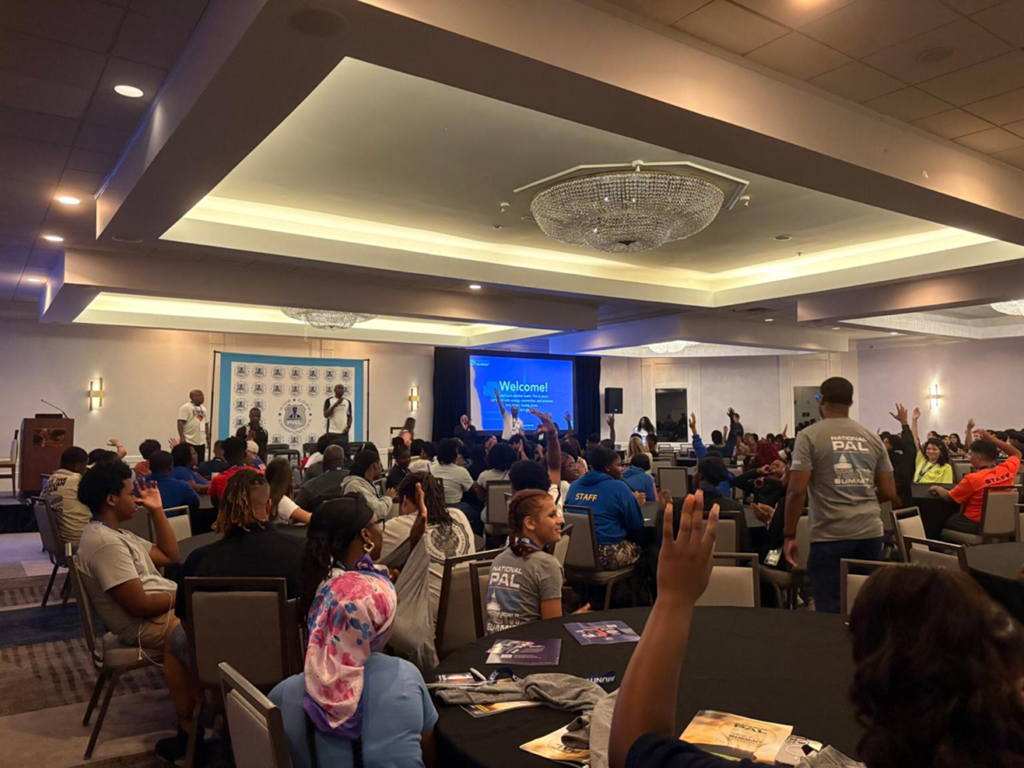
Now known as National PAL, the organization supports more than 200 chapters and serves over 2 million young people each year.

Expanded Focus
Programs have continued to evolve to address modern challenges such as gang violence, educational gaps, and workforce readiness. Today, PAL initiatives include vocational training, mentoring, computer literacy, and other youth development programs.

PAL Alumni: A Legacy of Support

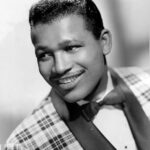
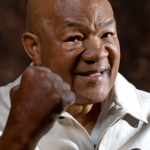
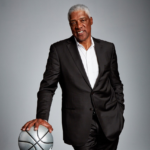
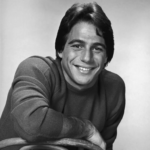
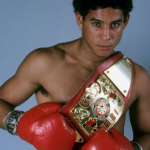
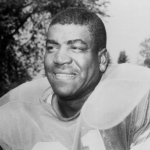
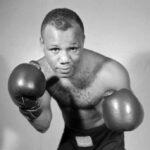
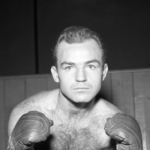
For more than a century, PAL programs have helped young people build confidence, discipline, and a sense of belonging. Many former PAL participants have gone onto become leaders in sports, entertainment, public service, and their communities, carrying forward the values they developed as youth.

Notable Alumni

Queen Latifah

Al Pacino

Ludacris

Sugar Ray Robinson

George Foreman

Julius Erving

Allen Iverson

Tony Danza

Vivica A. Fox

Larry King

Joe Frazier

Metta World Peace

Colin Powell

Larry Holmes

Oscar Robertson

Athletes, Entertainers, and Community Leaders

Bernard Hopkins

Pernell Whitaker

Floyd Patterson

Gerry Cooney

Hector Camacho

Mark Breland

Night Train Lane

Jimmy Smits

Tommy Davidson

Teddy Atlas

Willie Gardner

Tiger Jones

Frankie Ryff

Walt Aikens

Randy Sandy

Kira Borum

Sign up for our Newsletter