


1914
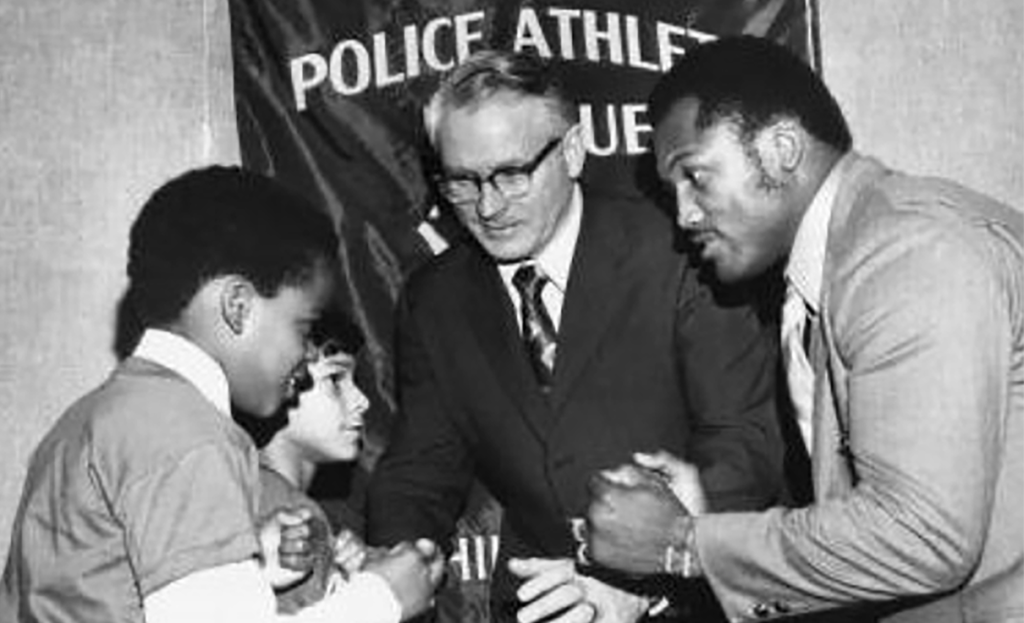
New York City Police Commissioner Arthur Woods started a social movement to provide safe play spaces for poor children, an effort that would eventually become the Police Athletic League.
1915
NYPD Captain John Sweeney started the Junior Police program in his precinct, where boys wore uniforms and participated in marching drills.
1917
The first official PAL was created in New York City, offering programs that included sports such as baseball and boxing, along with educational activities.
1930s
The movement spread to other cities, and New York City’s chapter expanded rapidly. By 1937, it served more than 70,000 members across 69 centers.

As local chapters grew across the country, the National Police Athletic League was established in the early 1940s to provide structure and coordination at the national level.
Its role was to offer standardized training and support for independent local chapters, while advocating for PAL’s importance as a community policing and crime prevention effort.
Post-WWII
Following World War II, the PAL movement experienced significant growth, expanding both its programs and the number of local chapters nationwide.
1950s
The organization began hiring social workers to support troubled youth. During this decade, PAL athletes also started competing in prestigious events, with some reaching the Golden Gloves and the Olympics.
1960s
During the Civil Rights Movement, PAL promoted integration and understanding within communities. This period also saw a major expansion of educational programming, supported in part by federal funding through President Johnson’s War on Poverty initiatives.
1970s
PAL expanded its focus to include nationwide programs centered on drug abuse education and prevention.
1990s
New York City’s PAL launched a $40 million campaign to build and renovate state-of-the-art community centers.

Name Change
Many PAL programs became known as Police Activities Leagues to reflect a broader focus that includes youth enrichment, education, and leadership development, in addition to sports.
Congressional Support
In 2000, Congress formally recognized the organization through the National Police Athletic League Youth Enrichment Act, securing federal funding to support program expansion nationwide.
Continued Growth
Now known as National PAL, the organization supports more than 200 chapters and serves over 2 million young people each year.
Expanded Focus
Programs have continued to evolve to address modern challenges such as gang violence, educational gaps, and workforce readiness. Today, PAL initiatives include vocational training, mentoring, computer literacy, and other youth development programs.
 Queen Latifah

Al Pacino
 Ludacris
 Sugar Ray Robinson
 George Foreman
 Julius Erving
 Allen Iverson
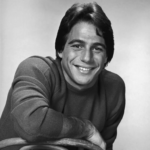 Tony Danza
 Vivica A. Fox
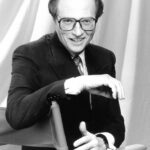 Larry King
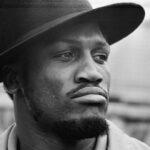 Joe Frazier
 Metta World Peace
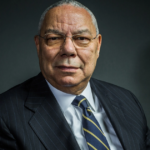 Colin Powell
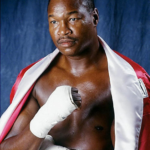 Larry Holmes
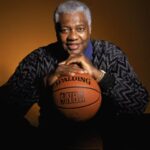 Oscar Robertson

Bernard Hopkins
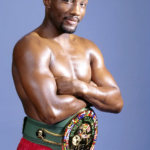 Pernell Whitaker
 Floyd Patterson
 Gerry Cooney
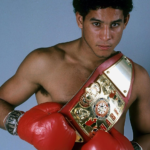 Hector Camacho
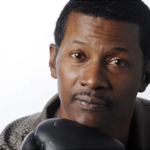 Mark Breland
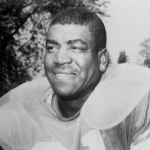 Night Train Lane
 Jimmy Smits

Tommy Davidson
 Teddy Atlas
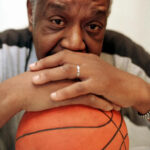 Willie Gardner
 Tiger Jones
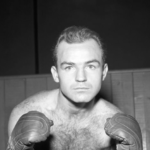 Frankie Ryff
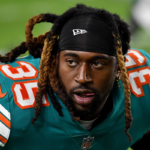 Walt Aikens
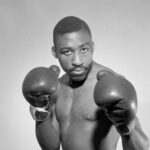 Randy Sandy
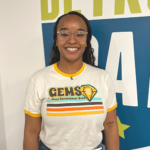 Kira Borum